Blind installation projects: what affects the timeline
Getting a clear picture of installation times for made-to-measure blinds
When you order made-to-measure blinds, the fitting process is usually straightforward, but the time it takes can vary depending on the type of blind, the number of windows, and the complexity of the space. Understanding what goes into a professional blind fitting helps you plan ahead and avoid surprises on the day.
Most installations fall into a predictable range, from a single window taking around 30 to 45 minutes to a full house requiring several hours. The key factors are the blind style, the fitting method (inside the recess or on the wall), and any extra features like motorisation or integrated pelmets. A site survey is often the first step, and it gives the fitter a chance to check the window surrounds, the type of wall or ceiling material, and any obstructions like handles or tiling.
Why a site survey matters for timing
Before any fitting takes place, a professional will usually carry out a site survey. This visit is not just about taking accurate measurements. It also identifies potential challenges that could add time to the installation. For example, a window recess that is not perfectly square may need packers or adjustments to the fitting brackets. A bay window with angled joins requires careful alignment. The survey also confirms whether the blinds will be face-fixed (on the wall above the window) or recess-fitted (inside the window opening). Each method affects the tools and fixings needed.
During the survey, the fitter can also point out any child safety requirements. Blinds with operating chains or cords must have safety devices fitted, such as cleats or tensioners, and this adds a few minutes per blind. The survey itself typically takes 20 to 40 minutes for an average home, and it sets the stage for a smooth installation day.
Single window installations: the quickest jobs
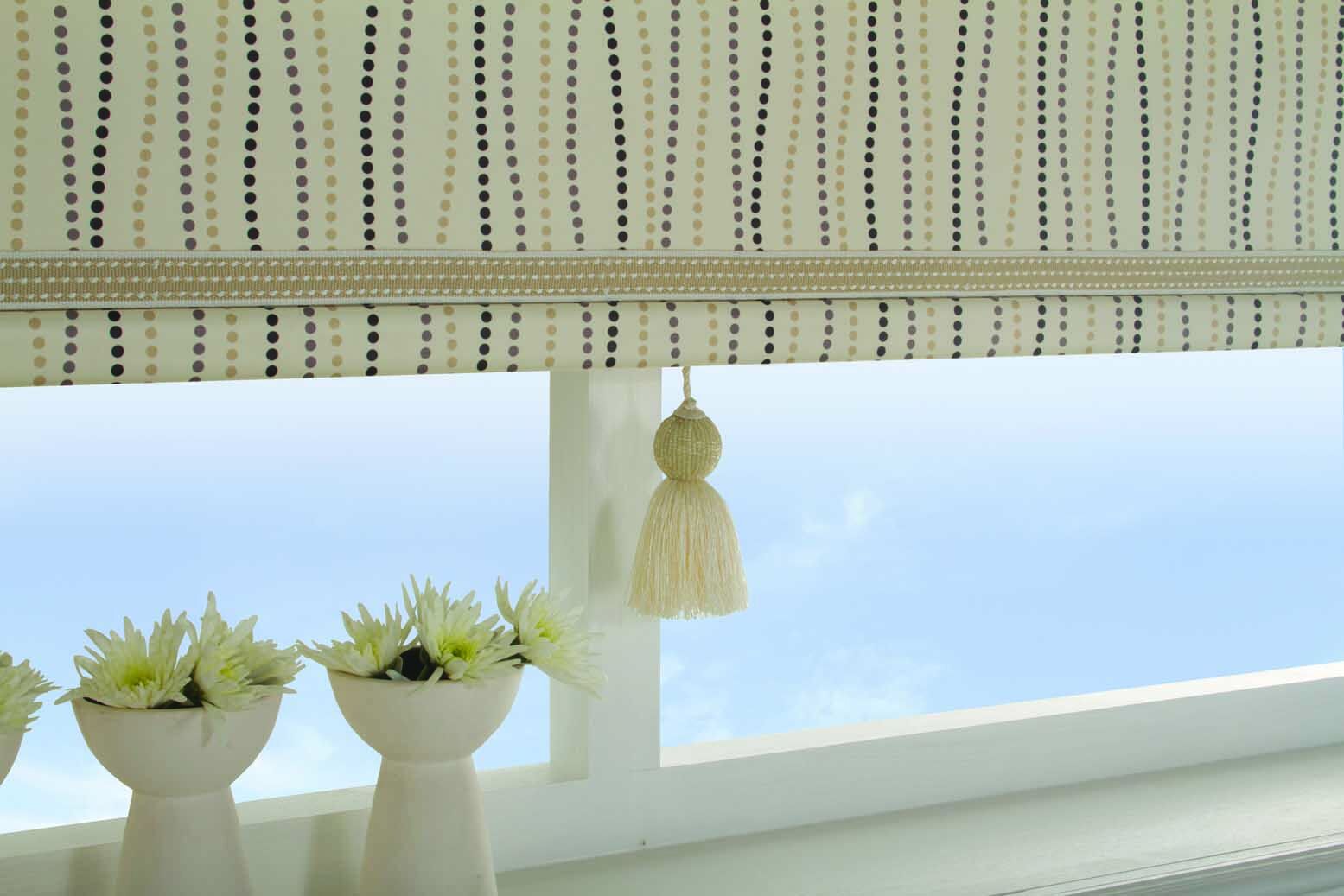
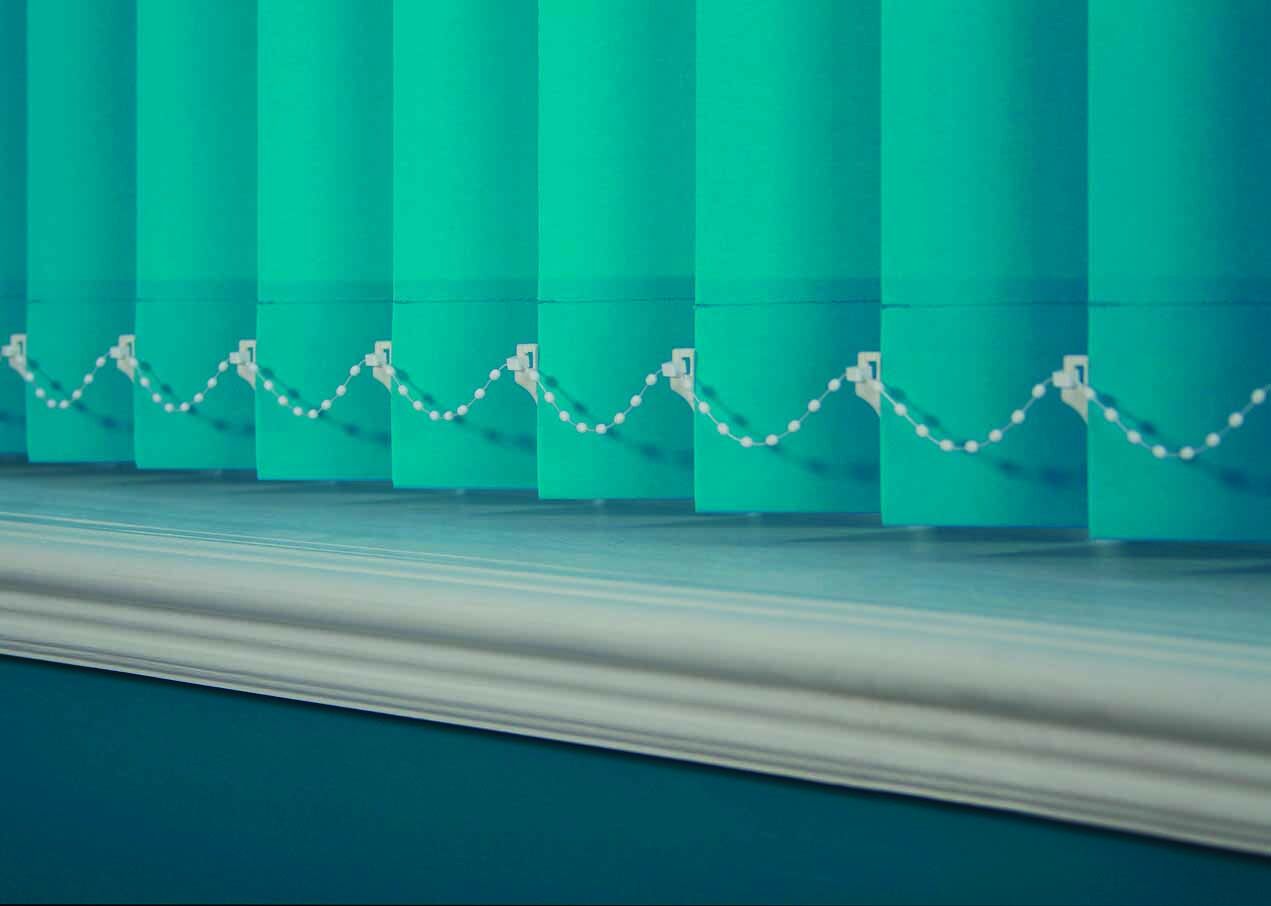
A single made-to-measure blind fitted inside a standard rectangular recess is the simplest project. The fitter arrives, checks the pre-drilled brackets against the window frame, screws them into place, clips the blind headrail onto the brackets, and tests the operation. For a roller blind or a Roman blind, this can be done in under 30 minutes. A Venetian or vertical blind takes a little longer because each slat or vane must be hung and adjusted. The installation appointment for a single window usually allows 45 minutes to an hour, giving the fitter time to work carefully and ensure the blind operates smoothly.
The wall surface matters too. A brick or block wall requires a masonry drill and wall plugs, which takes slightly longer than fitting into a timber frame. If the window is in a conservatory or a room with a sloping ceiling, the fitter may need to adapt the bracket positioning, adding another 10 to 15 minutes.
Multiple windows in one room
When several windows in the same room need blinds, the installation time does not simply multiply by the number of windows. The fitter can set up tools and equipment once, measure and mark positions for all windows in sequence, and work efficiently across the room. Two or three windows of the same type might take 60 to 90 minutes total. If the blinds are different styles - say, a roller blind for a small window and a Roman blind for a larger one - the time increases because each type has its own fitting process.
Bay windows add another layer. A three-sided bay means fitting three separate blinds (or one continuous track) and aligning them so the edges meet neatly. This can take 90 minutes to two hours for the bay alone. The fitter must ensure each bracket sits at the correct angle and that the blinds do not clash with each other when operated.
Full house installations: planning for a full day
For a whole house, including bedrooms, living areas, kitchen, and sometimes a conservatory, the installation appointment can run from half a day to a full day. The total time depends on the number of blinds, the variety of styles, and the complexity of the rooms. A typical three-bedroom house with 8 to 12 windows might take three to five hours. Larger homes or those with unusual window shapes, such as arches or circles, require more time because each blind must be custom-fitted with special brackets or tracks.
Professional fitters schedule full-house jobs carefully. They often start with the most straightforward rooms to build momentum and leave the trickiest windows until later when they have more time. The installation time also includes checking every operating chain and mechanism, adjusting tension, and ensuring child safety devices are correctly installed. A well-known local provider like Peak Blinds - Hand Fitted Blinds - Derbyshire typically allocates a full morning or afternoon for a standard house, with the option to return for any adjustments if needed.
Specialist blinds and extra features
Certain blind types take noticeably longer to fit. Blackout roller blinds are similar to standard rollers but may include side channels or cassette systems to block light entirely. These channels need careful alignment and fixing, adding 15 to 20 minutes per blind. Wooden or faux-wood Venetian blinds are heavier, so the brackets and fixings must be more robust, and the slats need individual adjustment. A large wooden blind could take 45 minutes to an hour to fit and level correctly.
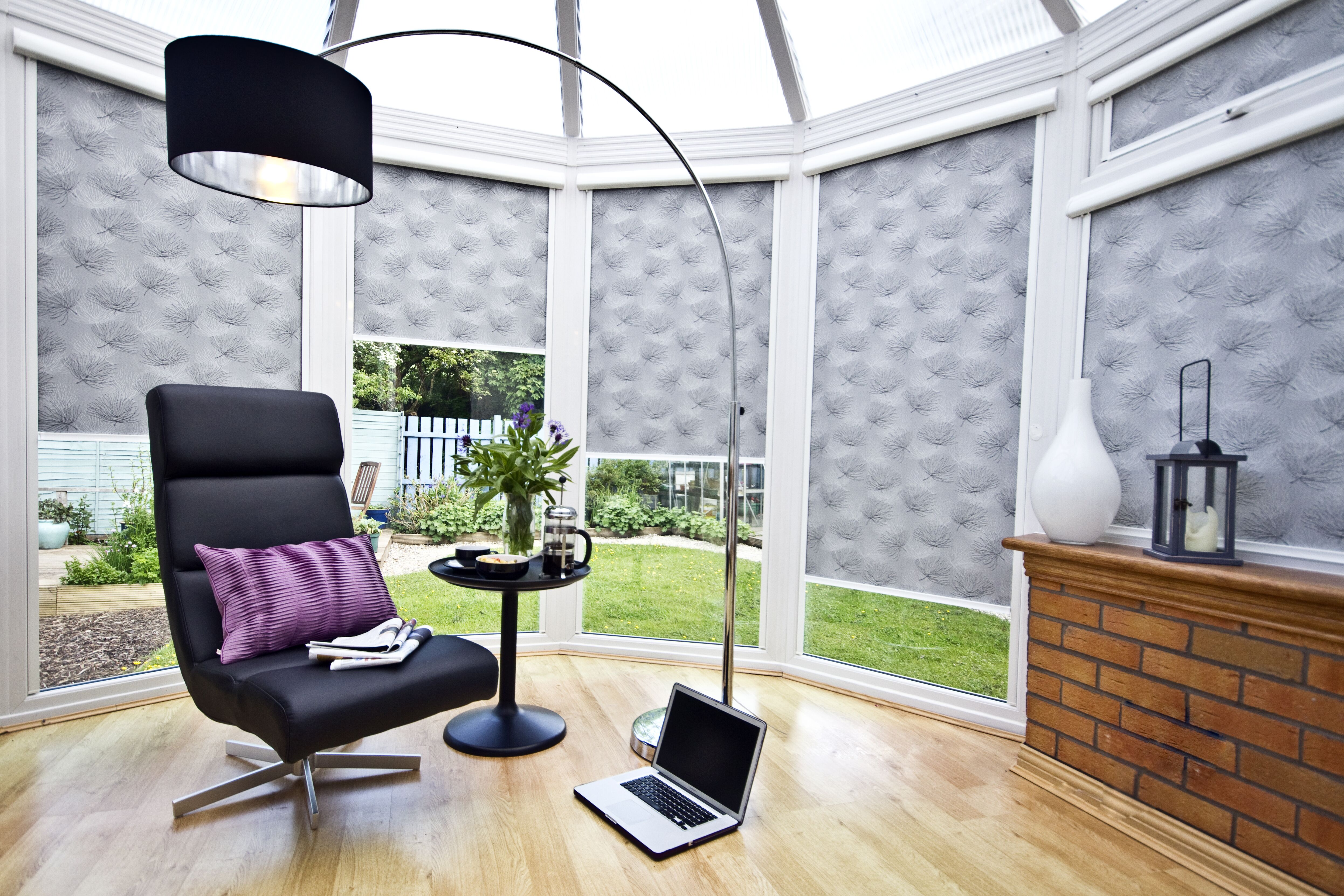
Conservatory roof blinds are among the most time-consuming. They often run on tracks that follow the pitch of the roof, requiring multiple brackets and sometimes a motorised system. A conservatory with four or five roof panels might take two to three hours just for the roof blinds. Motorised blinds, whether battery-powered or hardwired, add programming and testing time. The fitter must pair each blind with its remote control or switch and ensure the motor runs smoothly across the full travel range.
The role of the fitting day itself
On the day of installation, the fitter brings all the blinds, brackets, screws, wall plugs, and any child safety components. They start by laying out the blinds and checking each one against the order. Then they mark bracket positions using a spirit level and tape measure. Drilling and fixing the brackets takes the bulk of the time, especially in masonry. Once the brackets are in place, the blind headrail clips in, and the fitter tests the mechanism. After that, they fit any safety devices, tidy up the work area, and walk through the operation with you.
For larger projects, the fitter may work alone or with an assistant. Having two people can speed up the drilling and lifting of heavier blinds, but careful coordination is still essential. If the house has multiple floors, the fitter will move tools and blinds between rooms, which adds a few minutes per trip.
Professional fitting teams, such as Peak Blinds - Hand Fitted Blinds - Derbyshire, aim to complete the job efficiently without rushing. They know that rushing can lead to misaligned brackets or poorly operating blinds, which would require a return visit. Taking the time to get each blind right the first time is always faster in the long run.
What can delay an installation
Even with careful planning, some things can extend the installation time. Unexpected obstacles behind the wall, such as metal studs or old wiring, may require alternative fixing points. Plasterboard walls need special fixings to hold the weight of heavier blinds. If the wall is uneven, the fitter may need to pack the brackets with spacers to ensure the blind hangs straight. These issues are usually discovered during the site survey, but sometimes they only become visible when the fitter starts drilling.
Another common delay is the need to adjust the blind itself. Made-to-measure blinds are built to exact dimensions, but if the window recess is slightly out of square, the blind may need a minor trim on the side channels or a small adjustment to the chain mechanism. This is routine and takes only a few minutes, but it can add time if several blinds need attention.
Weather can also play a part. Fitting blinds on a cold or rainy day is perfectly possible, but if the fitter needs to drill through external walls for a conservatory blind, they may need to seal the holes carefully to prevent drafts. This extra care adds a few minutes per hole.
Planning your installation appointment
Knowing how long different blind installation projects usually take helps you set realistic expectations. A single window can be done in under an hour, while a full house may need a whole day. The best approach is to ask for a site survey first, so the fitter can give you a time estimate based on your specific windows and chosen blinds. This also gives you a chance to discuss any special requirements, such as cordless operation or blackout lining, which could affect the fitting time.
On the day, it helps to clear the area around each window. Move furniture away from the windows, remove curtains or curtain poles if possible, and ensure the fitter has clear access. This can shave off a few minutes per window and makes the whole process smoother.
What to expect after the fitting
Once the blinds are installed, the fitter will test every blind in your presence. They will raise and lower each one, check that the operating chain runs freely, and confirm that any safety devices are secure. If a blind needs a small tweak - a slightly tighter chain, a more secure bracket - they will adjust it there and then. For motorised blinds, they will show you how to use the remote and test the range from different positions in the room.
After the fitter leaves, you should operate each blind a few times over the next day or two. If you notice any sticking, unevenness, or noise, a quick call to the fitting company will usually result in a follow-up visit. Most professional fitters include a warranty on installation labour, so small adjustments are covered.
Understanding the time involved in professional blind fitting helps you plan your day, prepare the room, and know what to look for during and after the installation. With a clear timeline and a professional team handling the work, the whole process from survey to finished blinds is straightforward and rewarding.